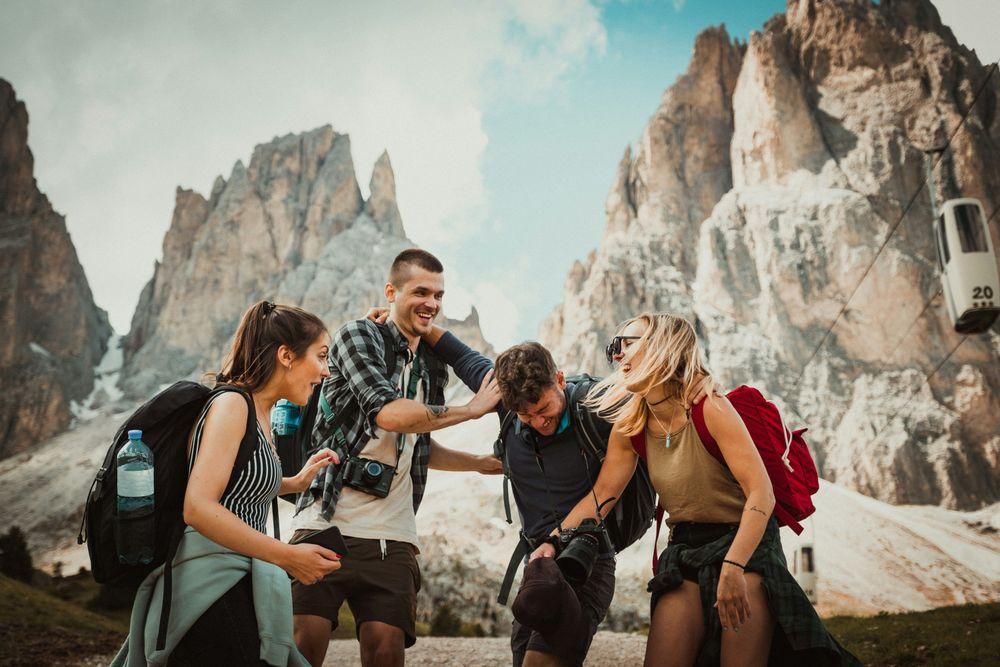
Ask someone about their favorite trip from ten years ago, and chances are they won't start by talking about the hotel room.
They'll talk about the stranger who became a friend over dinner in Italy. The local fisherman who invited them onto his boat in Scotland. The sunrise they watched with twelve other travelers who, only three days earlier, had never met.
Quick travel note
Best For: Solo Travellers Couples Families Adventure Travellers Luxury Travellers Professionals seeking meaningful vacations
The best travel memories rarely come from standing in long lines behind a guide holding a colored umbrella.
They come from moments that couldn't have been planned.
That shift in traveler expectations is changing the tourism industry in 2026. Around the world, people are moving away from oversized tour buses and rigid itineraries in favor of something more personal, flexible, and meaningful—small group tours.
This isn't simply a trend among luxury travelers. It's becoming the preferred way to explore the world for professionals, couples, solo travelers, families, and adventure seekers who value experiences over checklists.
At Koursair, we've noticed the same pattern. Travelers aren't asking, "How many countries can I visit in ten days?" They're asking, "Will this trip change the way I see the world?"
The difference may sound subtle, but it completely changes how a journey should be designed.
The Era of "Seeing Everything" Is Coming to an End
For years, travel was measured by quantity.
Five cities in seven days.
Three countries in one vacation.
Hundreds of photos.
Thousands of steps.
Yet many travelers returned home feeling surprisingly disconnected from the places they had visited.
The problem wasn't the destination.
It was the pace.
Imagine visiting the Scottish Highlands and spending only fifteen minutes at a viewpoint because the bus needs to leave. Or arriving in a small Italian mountain village only to discover that lunch has been replaced by another scheduled attraction.
Many travelers now recognize that collecting destinations is not the same as experiencing them.
Small group travel allows something increasingly rare in modern life:
Time to ask questions.
Time to wander.
Time to stay a little longer when a place deserves it.
Ironically, by trying to see less, travelers often experience far more.
The Luxury Travelers Want Today Isn't Bigger—It's Smaller
Luxury used to mean marble lobbies, private pools, and first-class cabins.
Those things still matter.
But in 2026, a different kind of luxury is becoming more valuable:
- Space to think
- Time to connect
- Access to local culture
- Personalized experiences
- Smaller communities
Walking through a Moroccan market with fifteen curious travelers creates conversations that simply cannot happen in a group of sixty.
Sharing coffee with a local guide in a mountain village tells you more about a destination than another hour inside a coach.
The most memorable experiences often happen between the scheduled activities.
That's exactly where small groups excel.
Why Small Groups Create Better Stories
Think about the vacations people talk about years later.
Rarely does someone say,
"The hotel buffet was excellent."
Instead, they say,
"We got caught in the rain while hiking, and everyone laughed the entire way back."
Or,
"A local family invited our group into their home for tea."
Stories happen because people have room to interact.
In oversized tours, logistics become the priority.
In smaller tours, people become the priority.
This creates opportunities that simply cannot be manufactured.
At Koursair, our philosophy is that travel should feel less like following a schedule and more like joining a shared expedition where every traveler contributes to the experience.
The Psychology Behind Small Group Travel
Travel psychologists often describe vacations as opportunities to break routine.
Yet many traditional tours recreate another routine:
- Wake up.
- Board the bus.
- Take photos.
- Return to the hotel.
- Repeat.
Small group experiences interrupt that pattern.
The pace changes.
Conversations become longer.
Meals become part of the journey rather than a quick necessity.
Unexpected discoveries become possible.
Interestingly, many solo travelers report feeling more comfortable joining a carefully curated small group than traveling completely independently.
Why?
Because it offers independence without isolation.
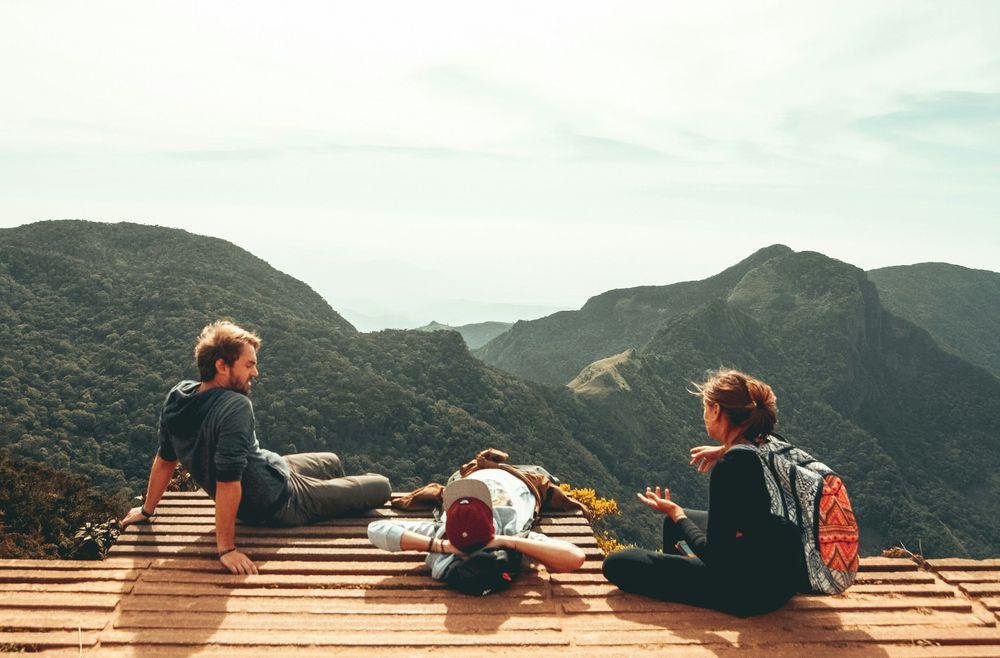
You maintain your personal space while still sharing experiences with people who chose the same adventure for the same reasons.
The Places That Benefit Most from Small Group Travel
Some destinations naturally reward slower exploration.
Take Scotland.
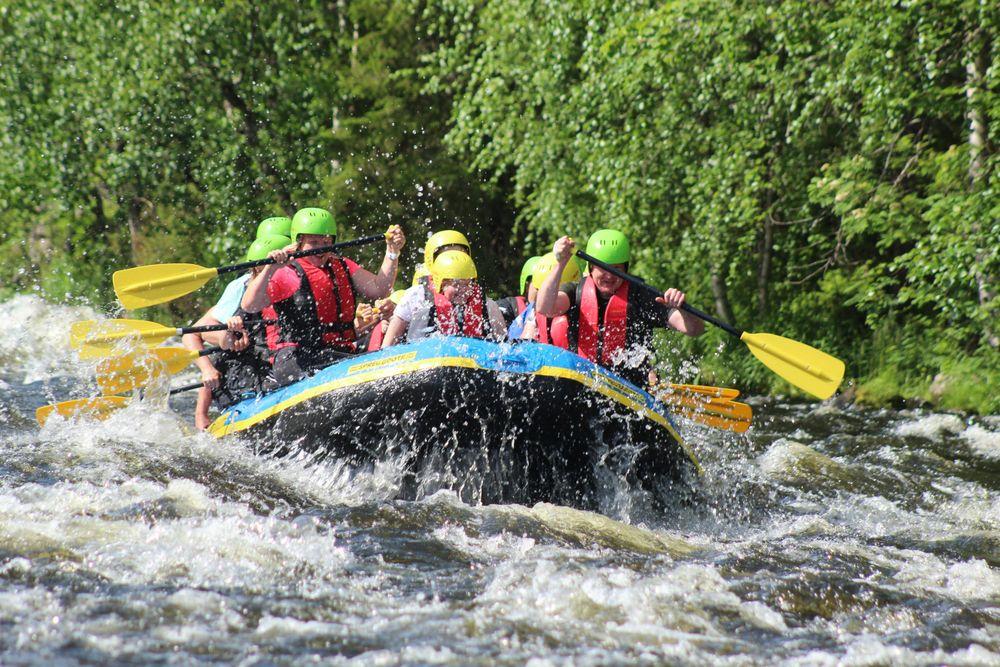
Its dramatic coastline isn't meant to be admired from a moving vehicle. It's best experienced from the water, where every paddle stroke reveals another cliff, another quiet bay, another curious seal watching from the rocks.
The same applies to Italy's Dolomites.
The value isn't reaching the summit.
It's the conversations during the climb.
It's the mountain refuge where strangers become teammates over a simple meal.
In Costa Rica, the rainforest doesn't perform on command.
You slow down.
You listen.
Only then do you begin noticing the wildlife around you.
These destinations aren't attractions. They're environments.
And environments are experienced differently when the group is small enough to move with intention.
Expert Insight — Why the Best Guides Prefer Smaller Groups
One experienced expedition leader once explained it perfectly:
*"With sixty people, I spend my day counting heads.*
*With fifteen people, I spend my day telling stories."*
That single observation captures why small group travel often feels richer.
Guides become educators.
Conversations become meaningful.
Questions become welcome.
Instead of delivering rehearsed speeches through a microphone, guides can adapt the experience based on the group's interests, energy, and curiosity.
The destination becomes more than something you photograph.
It becomes something you understand.
H2: Travel Has Become More Personal Than Ever
A decade ago, travelers were impressed by numbers.
How many countries did you visit?
How many cities did you cover?
How many attractions did you tick off?
Today, the conversation has changed.
People are asking different questions:
- Did you meet local people?
- Did you learn something new?
- Would you go back?
- Did the trip change you in any way?
That's why small group tours in 2026 are growing in popularity across the United States, Canada, the United Kingdom, and Australia. Travelers no longer want to feel like passengers—they want to feel like participants.
The difference is significant.
Anyone can stand in front of a famous landmark for five minutes and take a photograph. But sitting beside a local guide who explains why that place matters creates a memory that lasts much longer than the picture itself.
The Real Luxury Is Access
Luxury travel isn't necessarily about staying in the most expensive hotel.
It's about access.
Access to places.
Access to experiences that large groups simply cannot enjoy.
Imagine arriving at a small family-owned vineyard in Italy. A coach carrying sixty people creates a logistical challenge. Conversations become rushed, and the experience feels scheduled.
Now imagine arriving with twelve travelers.
The owner has time to explain the family's history. Questions become conversations. Lunch extends naturally because nobody is checking whether another forty-eight people have boarded the bus.
That's the difference between visiting a destination and experiencing it.
At Koursair, we believe the most valuable moments on a journey are often the ones that never appear on the itinerary.
Why Small Group Adventure Tours Feel More Authentic
Adventure travel has changed dramatically over the last few years.
Previously, many people associated adventure with physical difficulty—climbing mountains, kayaking through rough waters, or trekking for days.
Today, adventure is equally about discovery.
It's about taking a road that most visitors ignore.
It's about stopping because someone spotted wildlife instead of because the schedule says so.
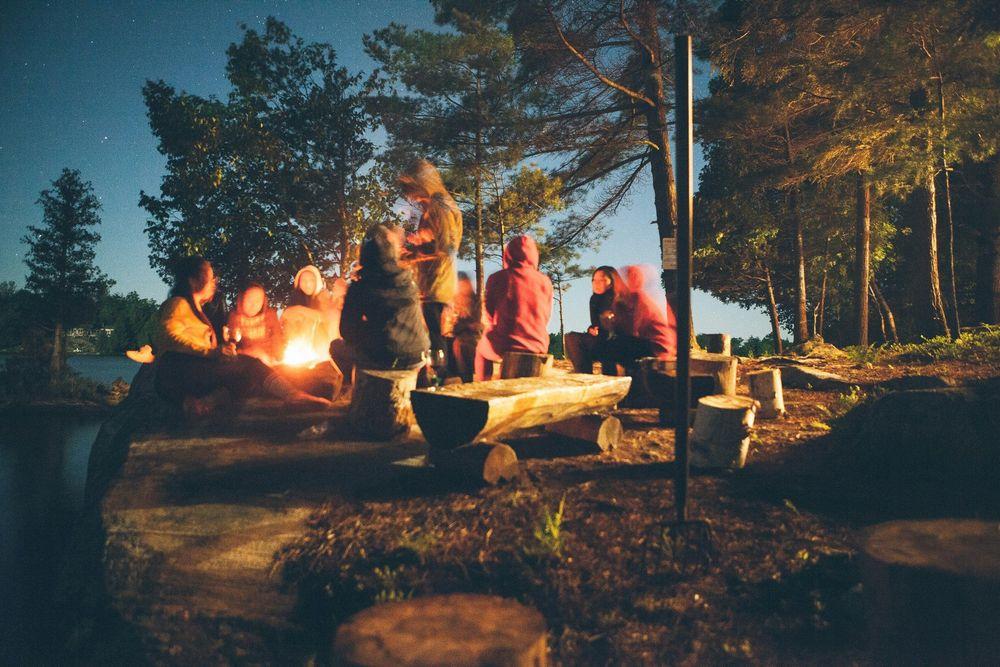
It's about conversations around a campfire after a day on the trail.
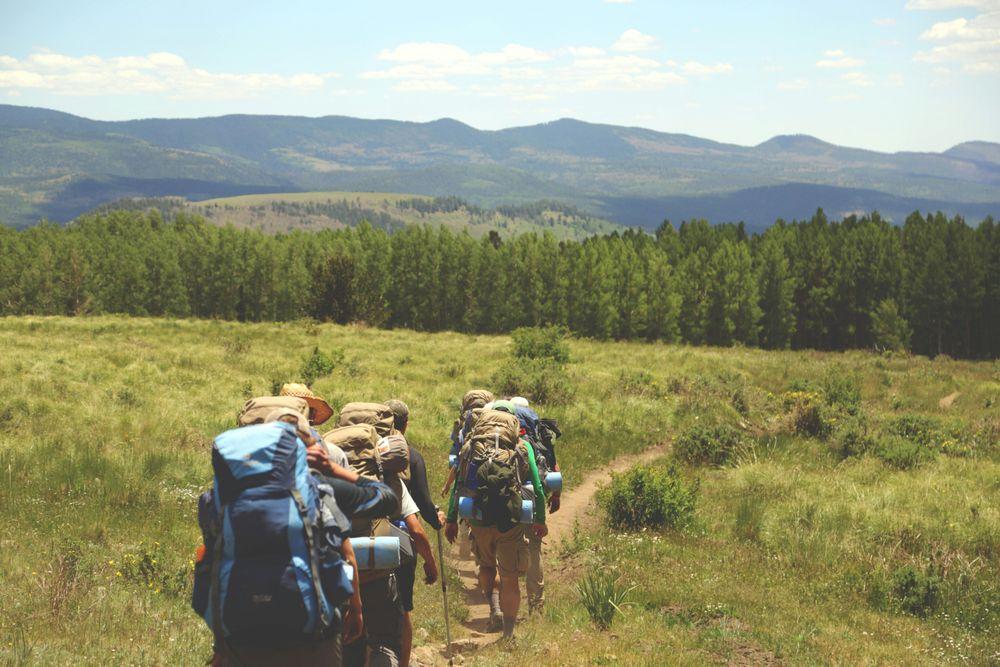
Whether you're hiking in the Dolomites, kayaking along Scotland's coastline, or exploring Morocco's Atlas Mountains, the journey feels more authentic when the group is small enough to adapt to the moment.
This flexibility is one of the biggest reasons travelers are choosing small group adventure tours over traditional vacations.
The Unexpected Friendships That Make the Journey
Many travelers book a trip expecting to remember the destination.
Few expect to remember the people.
Yet that's often what happens.
Ask experienced travelers about their favorite expedition, and they'll mention the couple from Canada they still speak to, the solo traveler from Australia who became a hiking partner, or the family from the UK they reunited with years later.
Shared experiences create connections that ordinary vacations rarely do.
When everyone is moving at the same pace, sharing meals, overcoming challenges, and celebrating discoveries together, strangers become companions.
This is especially valuable for solo travelers who want independence without feeling isolated.
A well-designed small group offers the perfect balance: personal freedom combined with a supportive community.
Expert Tip: Don't Choose a Tour—Choose the Right Travel Philosophy
One of the biggest mistakes travelers make is comparing tours only by price or itinerary.
Two companies may visit the same destination.
They may stay in similar hotels.
They may even follow comparable routes.
But the experience can be completely different.
Instead of asking:
"What places will I see?"
Ask:
"How will I experience those places?"
Will you have time to explore?
Will local guides share their stories?
Will the itinerary allow for flexibility?
Will the group size encourage meaningful interaction?
The answers to these questions often determine whether a trip becomes memorable or forgettable.
H2: Good to Know Before Booking a Small Group Tour
If you're considering your first luxury small group travel experience, keep these points in mind:
- Smaller groups often provide more personalized attention from guides.
- The itinerary may adapt based on weather, local opportunities, or group interests.
- You'll likely spend more time engaging with local culture rather than simply moving between attractions.
- Booking early is advisable, as limited group sizes mean availability fills quickly.
- Small group travel isn't about doing less—it's about experiencing more deeply.
Common Mistakes Travelers Make
Choosing the Cheapest Tour
Price should never be the only deciding factor. The quality of guides, group size, and overall experience often have a much greater impact than a small price difference.
Trying to See Too Much
Many travelers still believe they need to visit five cities in one trip. The most rewarding journeys often focus on one region and allow enough time to truly understand it.
Ignoring Group Size
A tour advertised as "small" can sometimes include thirty or more participants.
Always check the actual group size before booking.
Planning Every Minute
Leave room for spontaneity.
Some of the best travel moments happen because plans change.
H2: Why Koursair Designs Experiences Differently
At Koursair, we don't believe travel should feel like moving through a checklist.
Every expedition is designed around curiosity, connection, and discovery.
Whether it's paddling along Scotland's rugged coastline, hiking through the Dolomites, joining a wellness retreat in Costa Rica, or exploring vibrant cities and remote landscapes around the world, our goal is the same:
To help travelers experience destinations rather than simply visit them.
We believe a successful journey isn't measured by how many landmarks you photographed.
It's measured by the stories you bring home.
That's why our focus remains on thoughtfully curated experiences, knowledgeable local experts, and small groups that encourage meaningful interactions and lasting memories.
H2: Sometimes the Best Part of the Trip Isn't on the Itinerary
Years from now, you'll probably forget the exact departure time of your flight.
You'll forget the hotel room number.
You may even forget the sequence of cities you visited.
But you'll remember the conversation with a local artisan.
You'll remember the silence of an early morning trail.
You'll remember laughing with people who were strangers just days before.
Travel isn't about collecting stamps in a passport.
It's about collecting perspectives.
And that's exactly why more travelers in 2026 are choosing small group tours over traditional vacations.
For those looking to travel with purpose, authenticity, and connection, the journey often begins with choosing the right people to travel alongside.
For many, that journey begins with Koursair.