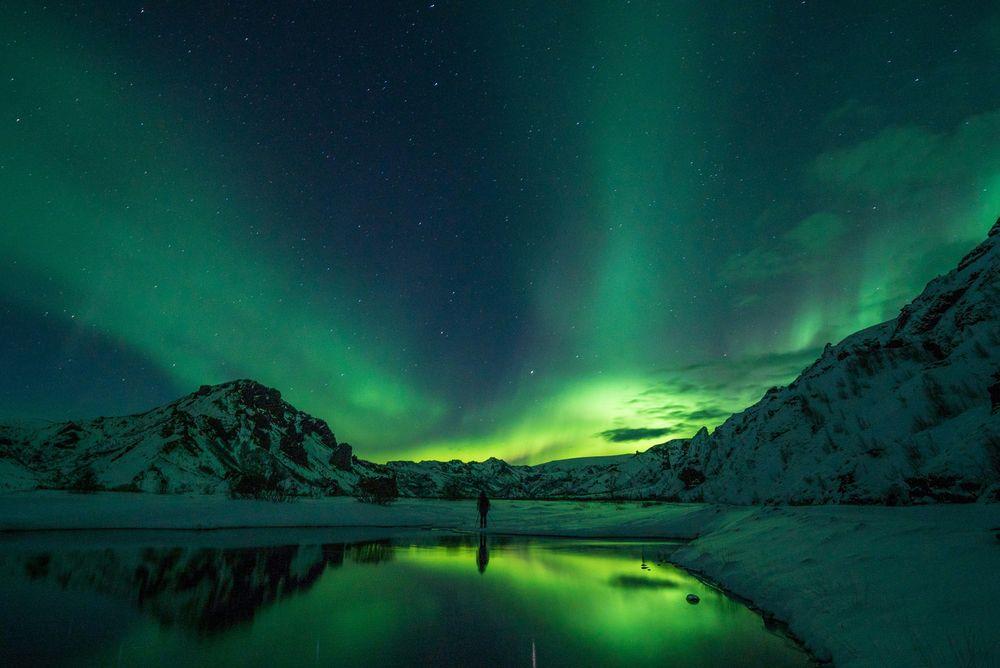
Nobody forgets the first time they see the Northern Lights.
It's rarely as dramatic as social media makes it look. There isn't a countdown. There isn't an announcement over a loudspeaker telling everyone to look up. In fact, many travelers almost miss it.
Quick travel note
This guide is designed to help you explore, plan smarter, and choose the travel experience that fits your mood.
Someone quietly points toward the horizon.
A faint green ribbon appears above the mountains. Within minutes, it stretches across the sky, twisting and dancing like smoke carried by an invisible wind. The conversations stop. Cameras come out, but after a few hurried photos, most people put them away.
Because some moments deserve your eyes more than your lens.
For many travelers, witnessing the Aurora Borealis isn't just another item on a bucket list—it's one of those rare experiences that changes the way they think about travel. It reminds us that the world's greatest spectacles aren't built by humans. They happen quietly, above frozen landscapes, rewarding those willing to wait.
As interest in experiential travel continues to grow, Northern Lights Tours in 2026 are expected to attract more travelers than ever before. But choosing the right destination is just as important as choosing the right season.
The biggest mistake people make is assuming that anywhere in the Arctic Circle will guarantee a spectacular display.
It won't.
Success depends on geography, weather, solar activity, light pollution, and perhaps most importantly, patience.
This guide explores the best places in the world to see the Northern Lights in 2026, what makes each destination unique, and how thoughtful planning can turn a hopeful trip into an unforgettable one.
Why the Northern Lights Continue to Fascinate Travelers
Long before scientists understood solar particles and magnetic fields, people created stories to explain the dancing lights.
In parts of Scandinavia, they were believed to be spiritual messengers.
Some Indigenous communities viewed them as ancestral spirits.
Others considered them signs of good fortune—or warnings to stay respectful of nature.
Even today, despite all our technology, the experience still feels mysterious.
Perhaps that's because the Northern Lights refuse to perform on demand.
You cannot buy a ticket guaranteeing a perfect display.
You cannot schedule them like a museum visit.
You can only prepare well, travel to the right place, and wait.
Ironically, in an age where everything is available instantly, the Aurora reminds us that some experiences still require patience.
And that's exactly why they feel so special.
What Actually Creates the Northern Lights?
At first glance, the lights seem almost magical.
In reality, they're the result of an extraordinary natural phenomenon occurring millions of kilometers away.
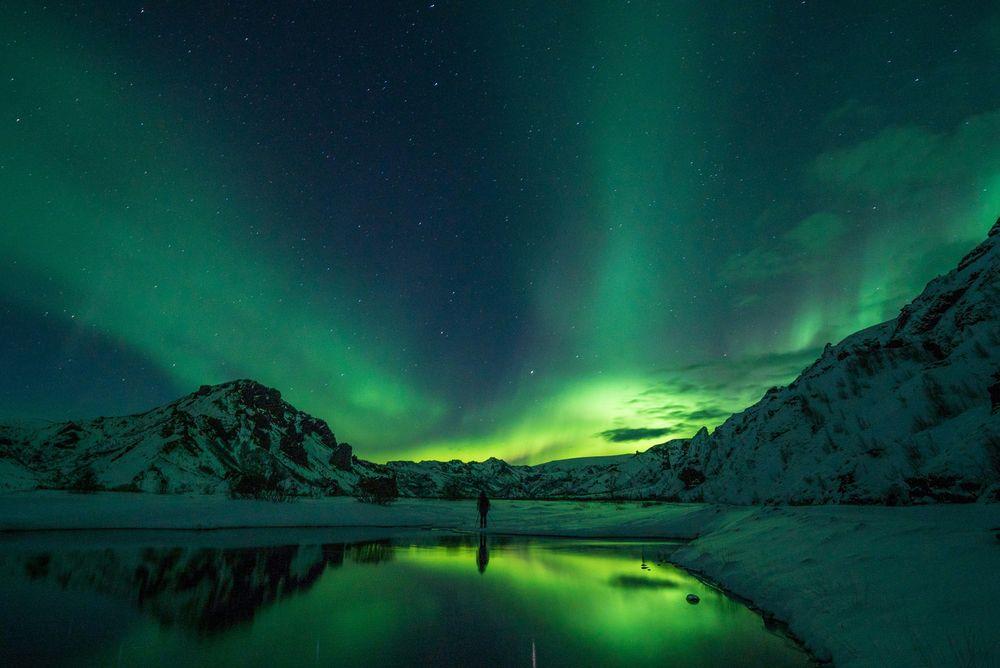
The sun constantly releases charged particles into space. When these particles collide with Earth's magnetic field and atmosphere, they create brilliant displays of green, purple, pink, and occasionally red light across the night sky.
The intensity changes every night.
Sometimes the lights appear as soft, glowing arcs.
Other nights they move rapidly across the sky, creating an ever-changing performance that lasts for hours.
This unpredictability is part of their appeal.
Every display is unique.
No two travelers ever witness exactly the same show.
The Best Time to See the Northern Lights in 2026
One of the most common misconceptions is that winter automatically guarantees success.
The truth is more nuanced.
The best viewing conditions require three things:
- Dark skies
- Clear weather
- Strong solar activity
For most destinations, the prime viewing season extends from late September through early April, when nights are longest and darkness lasts for several hours.
September and October often surprise experienced travelers.
The temperatures are more comfortable, landscapes still hold autumn colors, and tourist crowds are generally smaller than during peak winter.
December and January offer long nights but also bring unpredictable weather.
By February and March, snow-covered landscapes combined with increasing daylight create some of the most photogenic conditions of the entire season.
Expert Tip
If your schedule allows flexibility, consider planning a four- or five-night stay instead of a single evening dedicated to Aurora viewing.
Even in excellent destinations, weather conditions can change quickly. Giving yourself multiple opportunities significantly improves your chances of success.
Destination 1 – Tromsø, Norway: Where Science Meets Spectacle
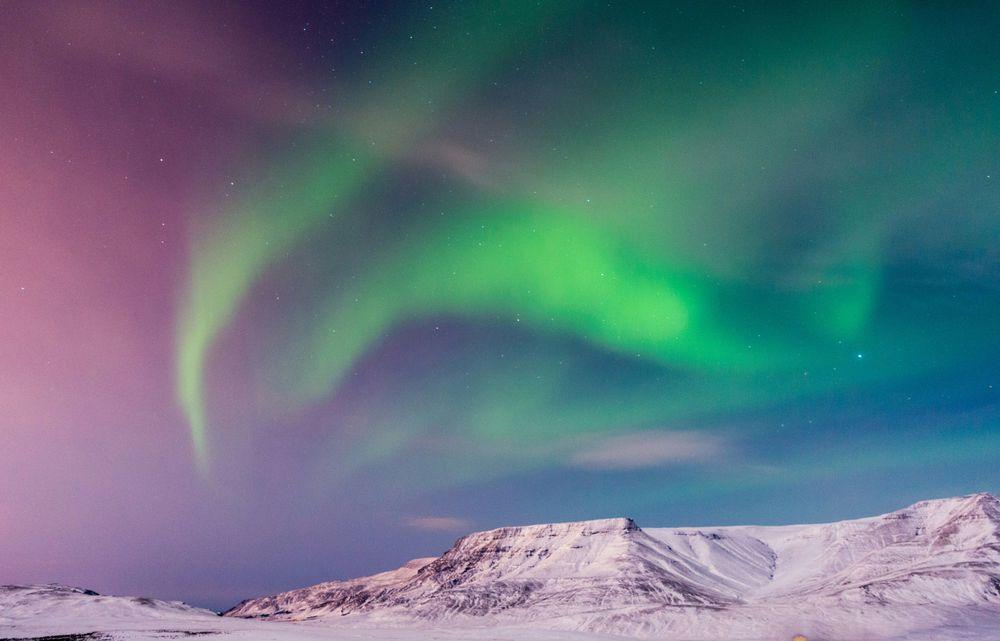
If there is one city that has earned its reputation as the Northern Lights capital of Europe, it is Tromsø.
Located well above the Arctic Circle, this Norwegian city combines accessibility with extraordinary viewing opportunities.
But what makes Tromsø special isn't simply its location.
It's the culture built around the Aurora.
Local guides study weather systems, cloud movement, and solar forecasts daily. Rather than waiting in one location, experienced expeditions often drive several hours if necessary to find clear skies.
That's something independent travelers often underestimate.
The difference between clouds and clear skies can be less than fifty kilometers.
During the day, visitors can explore Arctic museums, enjoy Scandinavian cuisine, or experience Sami culture before heading out after sunset in search of the lights.
For travelers seeking both comfort and adventure, Tromsø remains one of the strongest choices for Northern Lights Tours in 2026.
Destination 2 – Iceland: Where the Landscape Competes With the Sky
Most people travel to Iceland expecting to see waterfalls, glaciers, volcanoes, and black sand beaches.
The Northern Lights are often the bonus that turns an incredible trip into an extraordinary one.
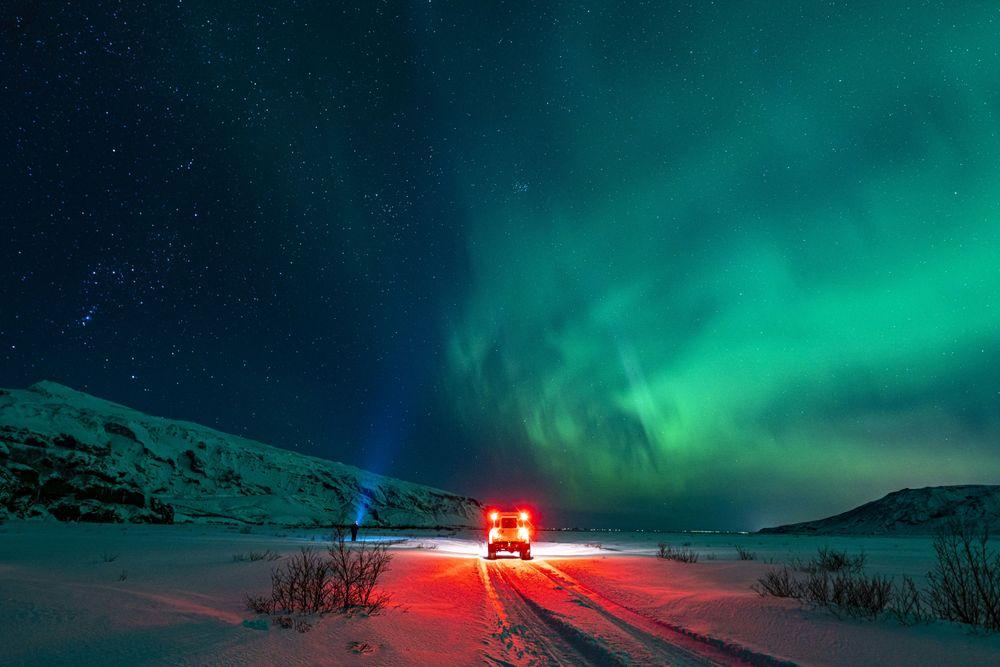
Driving through Iceland at night feels different from anywhere else.
There are stretches where you may not pass another vehicle for twenty minutes.
Snow reflects the moonlight.
Steam rises from geothermal fields.
Then, almost unexpectedly, green ribbons begin moving across the horizon.
Unlike many destinations where the Aurora is the primary attraction, Iceland offers something unique:
Even if clouds prevent a spectacular display, the country itself provides enough remarkable experiences to justify the journey.
That combination makes Iceland particularly appealing for couples, photographers, and first-time Arctic travelers.
At Koursair, we believe the best Northern Lights trips aren't built around chasing the sky alone—they're designed around experiencing the destination as a whole.
Destination 3 – Finnish Lapland: Where Silence Becomes Part of the Experience
If Norway feels adventurous and Iceland feels dramatic, Finnish Lapland feels deeply peaceful.
Here, the landscape doesn't compete for your attention. It slows you down.
The forests stretch for miles under a blanket of snow. Wooden cabins glow softly against the darkness. The only sound might be your own footsteps or the distant bells of reindeer moving through the trees.
Many travelers arrive expecting the Northern Lights to be the highlight.
They leave talking about the silence.
That's because Lapland offers something increasingly rare in modern life: the absence of noise.
Imagine stepping outside your cabin at 11:30 PM. The temperature sits well below freezing, yet nobody wants to go back inside. Above you, the sky begins to change. A faint green line appears before expanding into waves of light that dance across the Arctic sky.
There is no music.
No countdown.
No crowd cheering.
Just nature doing what it has done for thousands of years.
For couples seeking romance or travelers looking for reflection, Finnish Lapland remains one of the finest destinations to experience the Aurora Borealis in 2026.
Destination 4 – Swedish Lapland: The Luxury of Space
Luxury is often associated with expensive hotels or exclusive restaurants.
But after visiting Swedish Lapland, your definition may change.
Luxury can also mean standing in the middle of an open landscape where there are no buildings, no traffic, and no artificial light for miles.
This part of Sweden is ideal for travelers who appreciate slow exploration.
Days are spent snowshoeing through forests, visiting Sami communities, or riding dog sleds across frozen lakes. Nights are reserved for something far less predictable: watching the sky.
Because the region has very little light pollution, even moderate Aurora activity can create extraordinary displays.
Professional photographers often choose Swedish Lapland because the combination of frozen lakes, snow-covered trees, and open skies creates exceptional compositions.
For travelers who believe experiences are the ultimate luxury, this destination delivers exactly that.
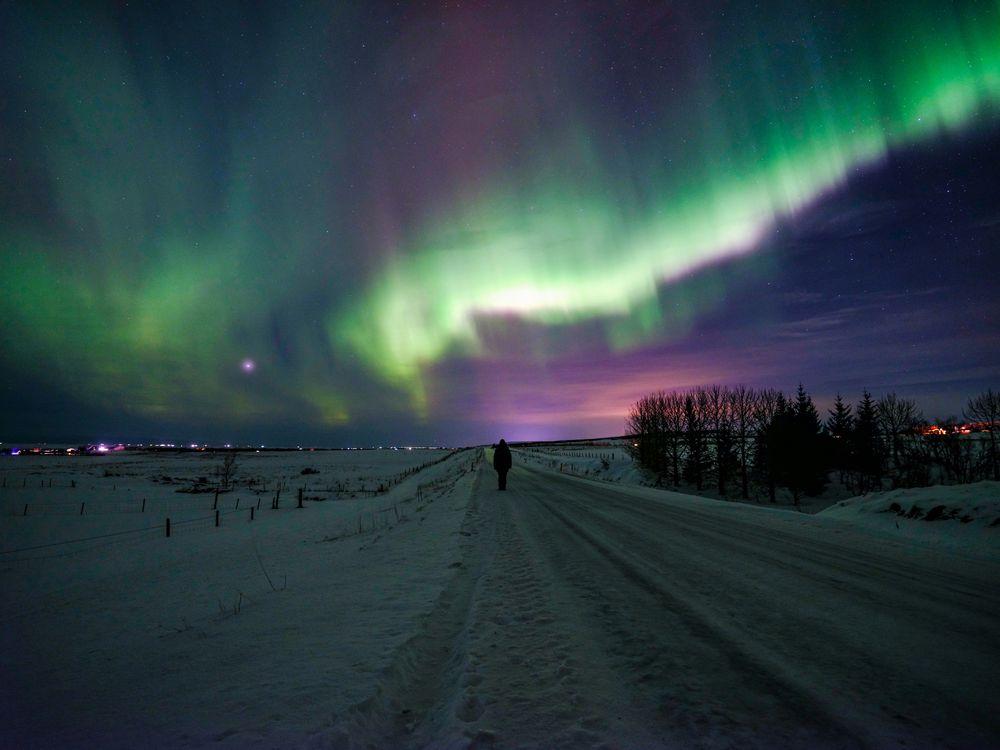
Destination 5 – Yukon, Canada: One of North America's Best-Kept Secrets
Mention the Northern Lights, and most people immediately think of Scandinavia.
Few realize that Canada's Yukon Territory offers some of the world's best viewing conditions.
The advantage is simple:
- Big skies.
- Minimal light pollution.
- Long winter nights.
Unlike many European destinations, Yukon still feels wonderfully remote. Roads stretch through vast wilderness, and the stars alone are enough to make the journey worthwhile.
Then the Aurora appears.
Locals often describe it as a performance rather than a phenomenon.
Sometimes the lights move slowly across the horizon.
Other nights they ripple overhead so quickly that it feels like the sky itself is alive.
For travelers from the United States and Canada, Yukon provides an excellent opportunity to experience the Northern Lights without crossing the Atlantic.
The Biggest Mistake Travelers Make
- Most people spend months choosing the perfect destination.
- Very few spend time choosing the right experience.
- They compare hotels.
- They compare prices.
- They compare flight times.
But they rarely ask:
Who will guide this journey?
The Northern Lights cannot be scheduled.
The weather cannot be controlled.
However, the quality of your experience can be influenced by expert planning.
An experienced expedition leader understands cloud forecasts, local geography, alternative viewing locations, and the importance of flexibility.
Sometimes driving an extra hour makes the difference between seeing nothing and witnessing one of nature's greatest spectacles.
That's why choosing the right travel company matters just as much as choosing the destination.
Luxury Travel in 2026 Is About Experiences, Not Excess
Travel trends have changed dramatically over the last decade.
The most sought-after experiences are no longer the most expensive hotels.
Instead, travelers are investing in:
- Authentic local encounters
- Expert-led expeditions
- Small group journeys
- Nature-based experiences
- Time rather than speed
Watching the Northern Lights from a luxury lodge is wonderful.
Watching them after spending the day exploring Arctic landscapes with a small group of curious travelers often becomes unforgettable.
This is where thoughtful travel design makes all the difference.
At Koursair, we believe luxury isn't about creating distance between you and the destination.
It's about bringing you closer to it.
Expert Tip: Stay Longer Than You Think You Need To
One of the most common regrets among Aurora travelers is booking a trip that is simply too short.
A single-night excursion leaves everything to chance.
Clouds, weather conditions, or lower solar activity can easily affect visibility.
Experienced travelers recommend planning at least four or five nights in an Aurora destination.
This not only increases your chances of seeing the lights but also allows you to enjoy everything else the region has to offer—from local culture and winter adventures to unforgettable Arctic landscapes.
The Northern Lights should be the highlight of your journey, not the only reason for taking it.
Good to Know Before Planning Your Northern Lights Trip
- The best viewing season is typically September through April.
- Dark skies are more important than extremely cold temperatures.
- Professional guides significantly improve your chances of success.
- Camera settings matter, but don't spend the entire evening behind a lens.
- Sometimes the greatest memory is simply standing still and looking up.
Common Mistakes Travelers Make
Waiting for the "Perfect Forecast" : Weather changes quickly in Arctic regions. Flexibility often leads to better experiences than waiting for a perfect prediction.
Booking Only One Night : The Aurora doesn't follow a schedule. Give yourself multiple opportunities.
Choosing Convenience Over Darkness : Cities are comfortable, but artificial light reduces visibility. The best displays often happen away from urban areas.
Focusing Only on Photos : Many travelers spend the entire evening adjusting camera settings.
Years later, they remember the pictures.
The people who simply watched the sky remember the feeling.
Why Koursair Designs Experiences Differently
At Koursair, we don't believe the Northern Lights should be treated as another attraction on an itinerary.
They deserve anticipation.
They deserve patience.
Most importantly, they deserve context.
That's why our journeys are built around meaningful experiences rather than rushed schedules. Whether you're exploring Iceland's volcanic landscapes, discovering Scandinavian culture, or searching for the Aurora under pristine Arctic skies, our goal is simple:
To help you experience a destination rather than simply visit it.
Because the best trips aren't measured by how many places you see.
They're measured by the stories you tell when you return home.
Years Later, You Won't Remember the Temperature—You'll Remember the Sky
Every traveler has one story they tell again and again.
It isn't necessarily about the most expensive hotel.
It isn't about the perfect itinerary.
It's usually about a moment that couldn't have been planned.
For many people, seeing the Northern Lights becomes that story.
Perhaps it happens while standing beside a frozen lake in Finland.
Perhaps it's during a quiet drive through Iceland when the guide suddenly stops the vehicle and says, "Look up."
Perhaps it's after waiting for hours, convinced the clouds have won, only to watch the sky come alive just before midnight.
The Aurora Borealis has a remarkable way of making people forget about their phones, their schedules, and their inboxes. For a few minutes, everyone is simply present.
And maybe that's the real reason millions of travelers dream of seeing it.
It's not just about watching the sky.
It's about remembering how small we are and how extraordinary our planet can be.
If you're planning a Northern Lights Tour in 2026, don't simply choose a destination. Choose an experience that gives you time to appreciate it.
At Koursair, we believe meaningful travel isn't measured by how many places you visit but by how deeply you experience them. Our curated journeys are designed for travelers who value authentic experiences, expert guidance, and memories that last long after the trip ends.
The Northern Lights may only appear for a few minutes.
The story you'll tell can last a lifetime.